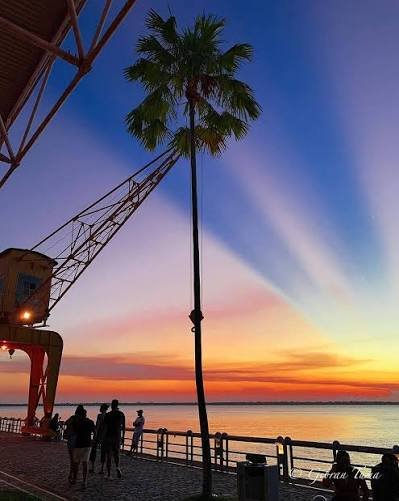
With over four centuries of history, Belém preserves important vestiges of the Portuguese occupation in the Amazon. The initial core of the city emerged with the construction of Fort do Presépio in 1616, in the region currently known as Cidade Velha. Since then, the municipality has grown into one of the largest metropolises in the Brazilian Amazon.
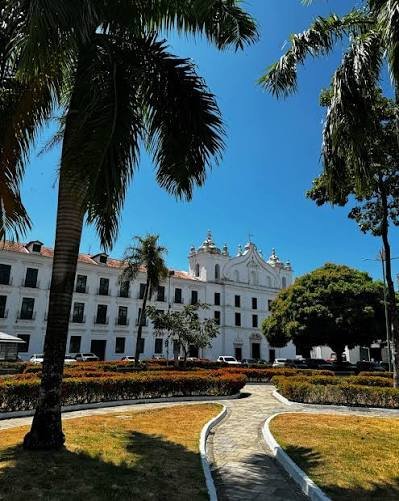
Belém's historical heritage is present in museums, churches, squares, markets, and buildings that help narrate the region's history. In addition to the mainland area, the municipality features dozens of islands that make up the Belém archipelago, contributing to its rich environment and landscape.
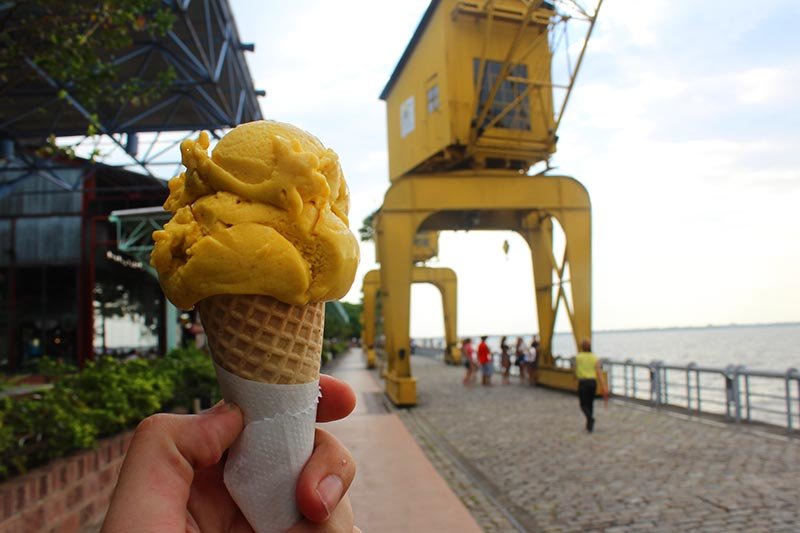
The city also reinvents itself through its distinct gastronomic identity. Typical Amazonian ingredients such as açaí, tucupi, jambu, cupuaçu, and bacuri form the core of the local cuisine, attracting visitors from across the country. This wealth of flavors has earned Belém international recognition as a culinary benchmark.
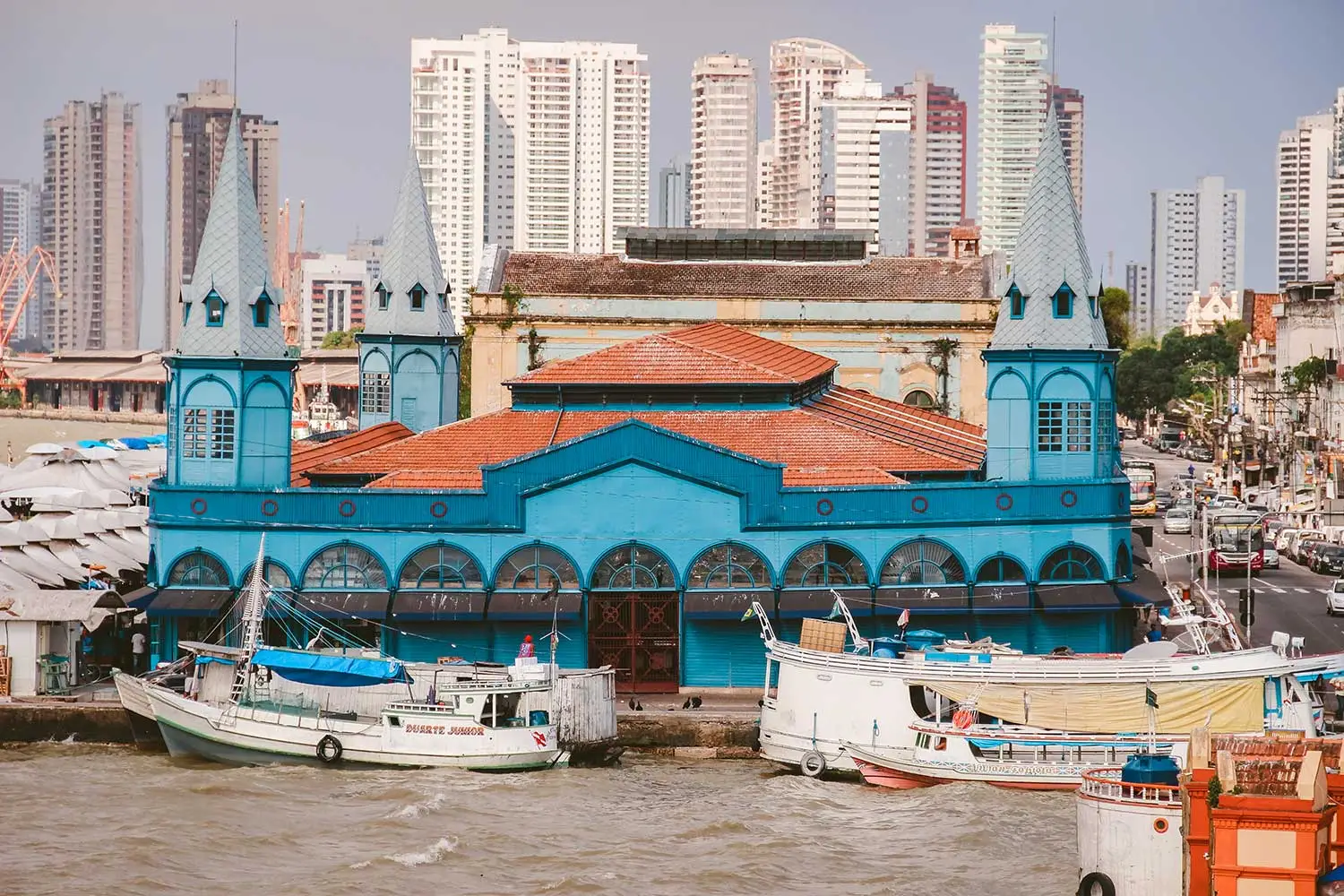
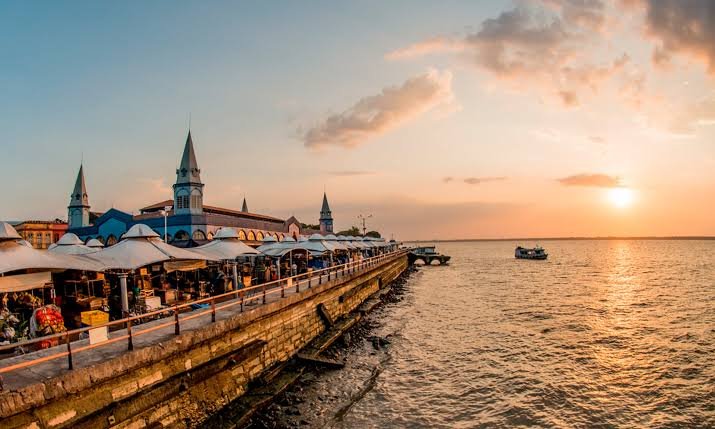
Among the most emblematic locations in Pará's capital is the Ver-o-Peso Market, one of the city's most iconic symbols and one of the largest open-air markets in Latin America. The venue gathers regional products, vegetables, fruits, fish, and crafts, offering an authentic experience of Amazonian culture.
Religiosity also holds great importance for the local population. The Círio de Nazaré, held annually in honor of Our Lady of Nazareth, gathers thousands of people and is considered one of the largest religious gatherings in the world.
The predominant climate is humid equatorial, characterized by high temperatures throughout the year and high levels of rainfall. The presence of two rivers and the Amazon rainforest contributes to the unique landscape of the region and the population's strong bond with nature.